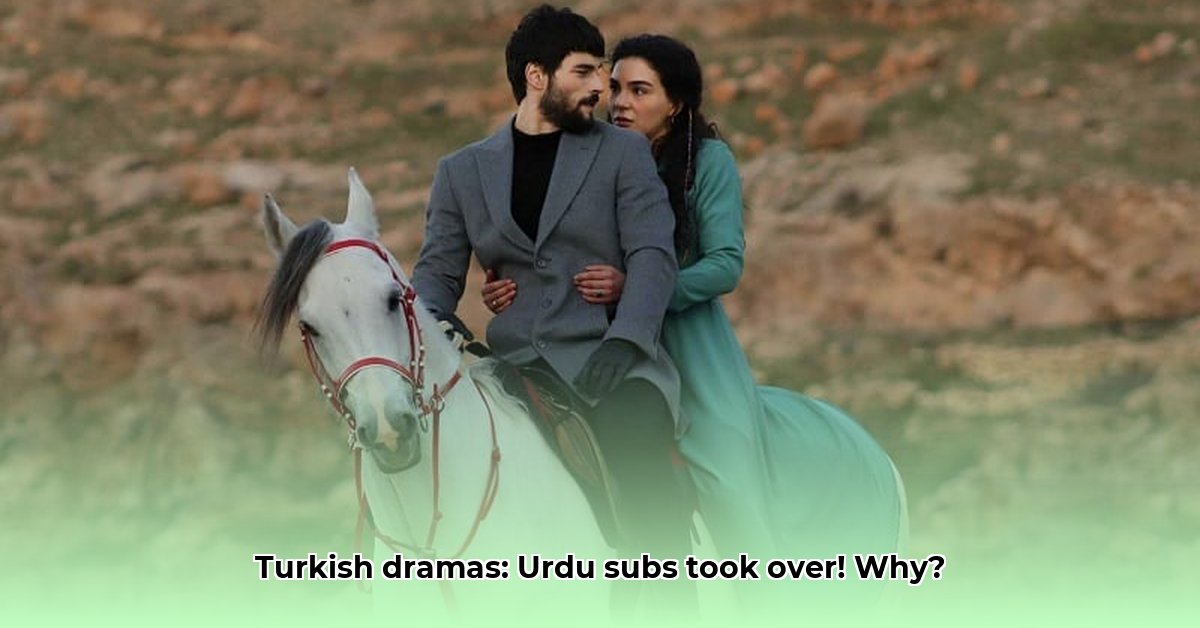
The captivating world of Turkish dramas has swept across South Asia, captivating audiences with its sweeping narratives and high production values. Millions are glued to their screens, engrossed in stories subtitled in Urdu. But this isn't just a fleeting trend; it's a cultural phenomenon demanding closer examination. This article delves into the reasons behind this surge in popularity, explores the challenges faced, and outlines strategies for a sustainable future. For more on historical drama's impact, see this historical context.
The Rise of Turkish Dramas in Urdu: A Cultural Confluence
Several interwoven factors fuel the popularity explosion of Turkish dramas with Urdu subtitles. Firstly, the production quality is exceptionally high. Stunning visuals, elaborate sets, and captivating cinematography set them apart from some local productions. These dramas aren't just visually appealing; they tell compelling stories that resonate deeply. Themes of love, loss, family, and social issues—universal in their appeal—transcend cultural barriers. A family drama unfolding in Istanbul unexpectedly mirrors similar conflicts in Karachi or Lahore, creating an immediate sense of relatability.
Accessibility plays a crucial role. These dramas are readily available on various platforms, including popular TV channels like Geo Entertainment and Hum TV, and online via YouTube and dedicated streaming sites. This broad reach is key to their success. The diverse range of genres further enhances the appeal—from epic historical sagas like Diriliş Ertuğrul to contemporary romances such as Kara Sevda. This blend caters to a wide spectrum of tastes. The cultural adaptation is equally significant. Subtitles and dubbing (where applicable) skillfully bridge the cultural gap, making the stories engaging for Urdu-speaking audiences. The meticulous translation and adaptation process ensures that nuances are maintained, making these dramas truly accessible. Have you ever considered how crucial this level of adaptation is to their global success?
Challenges and Barriers: Navigating the Streaming Landscape
Despite their immense popularity, there are hurdles in the path of Turkish dramas in Urdu. Inconsistency in streaming is a major challenge. Finding a reliable and legal source for a favorite show can be a frustrating experience. The over-reliance on YouTube and other social media platforms creates copyright issues and inconsistent availability. What's available today might vanish tomorrow, leading to frustration among viewers.
Another area requiring attention is the inconsistency in Urdu dubbing quality. While some dubbing enhances the viewing experience, others fall short. Poor-quality dubbing can detract from even the best storyline, potentially driving viewers toward illegal downloads. Balancing affordability with high-quality production remains a persistent challenge.
The Future of Turkish Dramas in Urdu: A Collaborative Path Forward
The future of Turkish dramas in Urdu hinges on a collaborative effort from various stakeholders.
1. Streaming Platforms: Short-term strategies include securing exclusive rights to popular shows, improving user interfaces, and adding features like interactive subtitles. Long-term strategies involve investing in original Urdu-language content inspired by Turkish formats, forging strong relationships with Turkish production houses, and exploring co-production opportunities.
2. TV Channels: Short-term: Securing exclusive broadcasting rights, creating engaging promotional campaigns, and exploring simultaneous airing with Turkish releases. Long-term: Collaborating with Turkish producers on original content, investing in high-quality dubbing and translation, and experimenting with diverse formats and styles.
3. Production Companies: Short-term: Focusing on high-quality Urdu dubbing, conducting market research to understand audience preferences, and improving subtitle accuracy. Long-term: Investing in talent development for dubbing artists and translators, exploring new distribution models, and creating original content specifically for the Urdu-speaking audience.
4. Viewers: Short-term: Supporting legal streaming and broadcasting, providing feedback on dubbing quality and content, and participating in online discussions. Long-term: Educating themselves on copyright laws, supporting creators by subscribing to legitimate streaming services, and actively engaging in online communities.
Conclusion: A Continuing Story
The success of Turkish dramas with Urdu subtitles showcases the power of shared human experiences and the importance of cultural adaptation in global entertainment. They are no longer just foreign shows; they have become integral to the cultural fabric of numerous Urdu-speaking communities. By addressing the present challenges and capitalizing on the opportunities, the future of these dramas in the South Asian market is undeniably promising. The journey continues, with viewers, producers, and broadcasters all contributing to this unfolding narrative. The key to sustained success lies in a continued commitment to quality, accessibility, and audience engagement. The story is far from over, and the future chapters promise to be even more gripping.